
Top 5 Essential Safety Tips for Operating Gas and Charcoal Grills Near Your Home
Outdoor cooking forms a key part of modern backyard life. It offers a pleasant way to host guests and breathe fresh air. Yet, using heating devices near homes demands a careful focus on safety and gear choice. JoyeLeisure, a leading maker with more than 20 years of skill in fine garden items, focuses on pro-level outdoor setups that stress function and user protection. Their daily output of five containers, plus ties to big names like ALDI, backs solid products that follow strict safety rules. By picking lasting gear that meets EN1860 and EN581 standards, you build a cooking spot that stays secure and fun.
Top 1: Maintain Proper Clearance from Structures
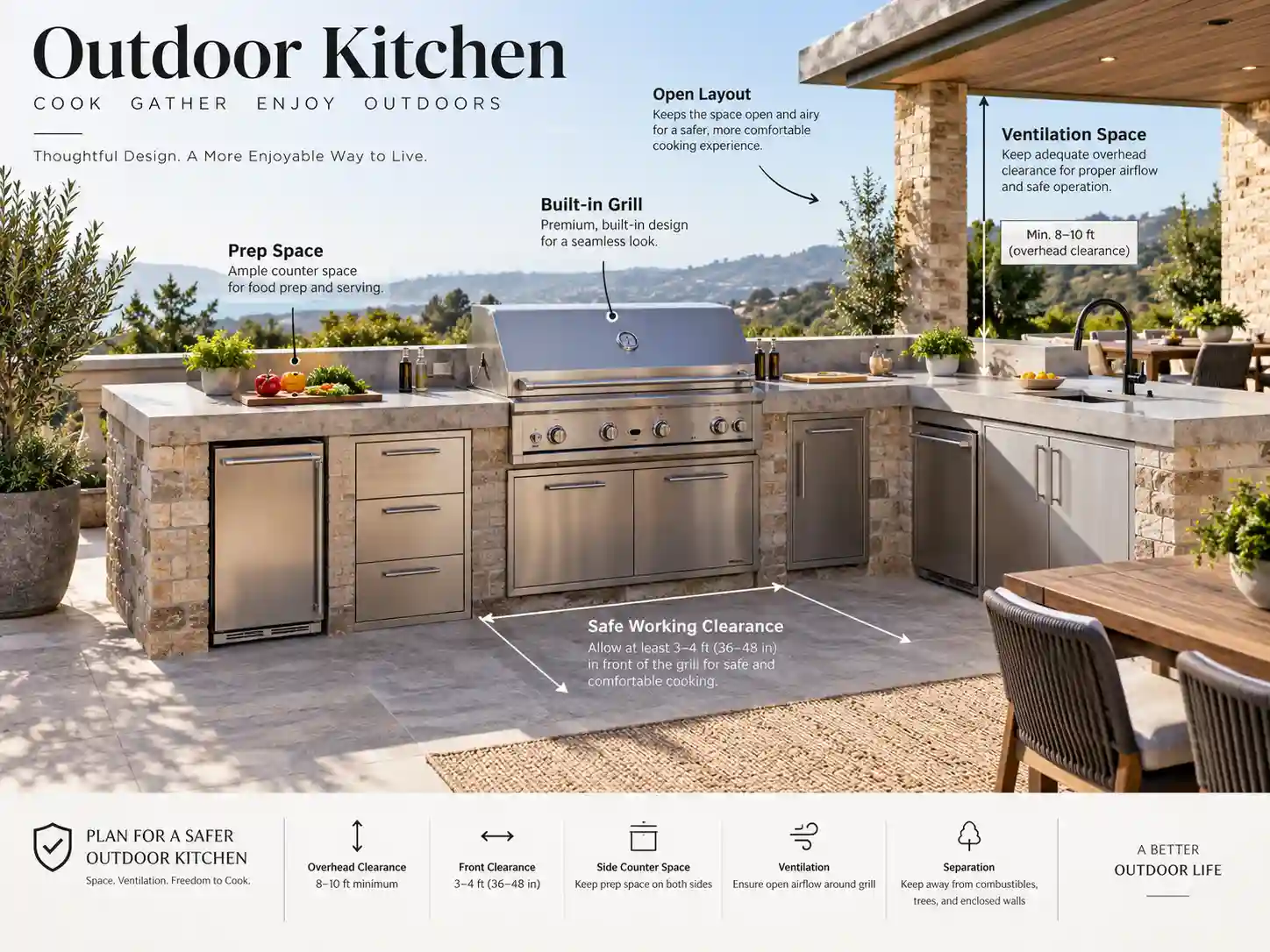
The main worry when grilling close to a home is nearness to burnable items like vinyl walls, wood rails on decks, or roof edges that hang over. Heat from a strong burner or charcoal pile spreads much farther than the fire. You need to set up a clear space so heat fades away without harming your home’s outside.
Safe Distance Buffers
Setting a least space of ten feet from any building is a basic safety need. This gap stops heat from softening plastic walls or starting fires on dry wood when cooking gets hot. It helps keep the area safe overall.
Combustible Material Awareness
You ought to spot and clear any burnable things near your grill spot. Such items include dry leaves, papers, and cloth decorations that might catch from a loose spark or sudden flame. Clearing them reduces risks effectively.
Overhang Obstruction Avoidance
Grilling under low tree limbs or porch tops traps rising heat and smoke. You should ensure open space above to avoid soot buildup, which cuts the chance of fires in partly covered spots. This practice promotes better safety.
Top 2: Ensure Adequate Ventilation and Airflow
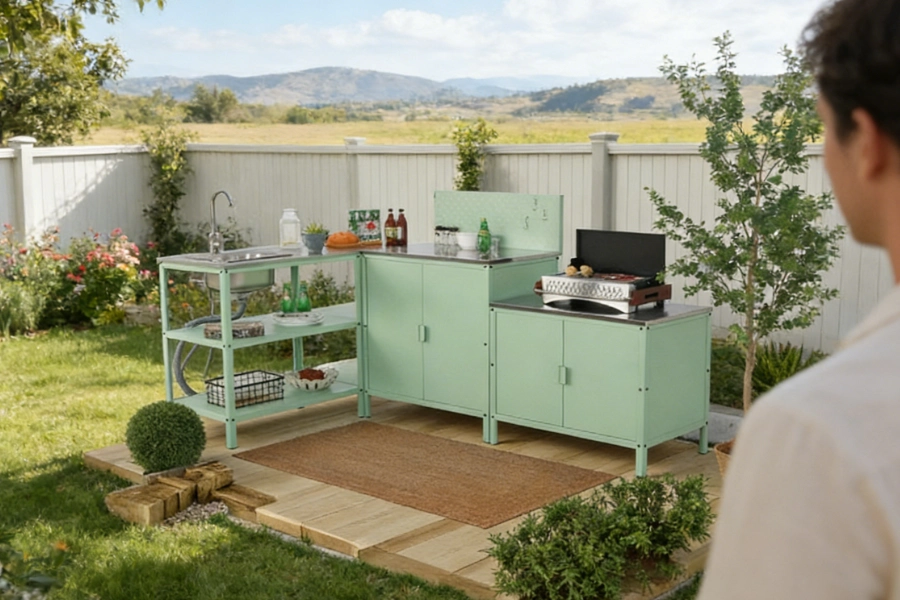
Good air flow matters a lot for gas and charcoal units to avoid carbon monoxide buildup and support full fuel burn. A pro unit like the Mesola Steel Outdoor Kitchen Set follows these needs in its design. Since it runs on propane, the cabinets and nearby setup must let gas spread out instead of gathering in tight spaces, which might cause fires.
Cabinet Ventilation Ports
Built-in air slots in steel cabinets let heat and small gas leaks escape steadily. This flow keeps inside storage temps from getting too high during long cooking. It supports safe operation over time.
Wind Path Consideration
Placing your outdoor kitchen to catch natural winds aids quick spread of smoke and fumes. Such air movement clears the space near home doors and stops carbon monoxide from drifting into open windows. It maintains fresh air around the area.
Gas Dispersion Zones
Building a spot where propane can fade safely is key, as this gas sinks lower than air. You must ensure the ground under and around the grill stays open, not low or closed in, to avoid gas traps that could explode. This setup prevents hazards.
Top 3: Prioritize Structural Stability and Surface Integrity
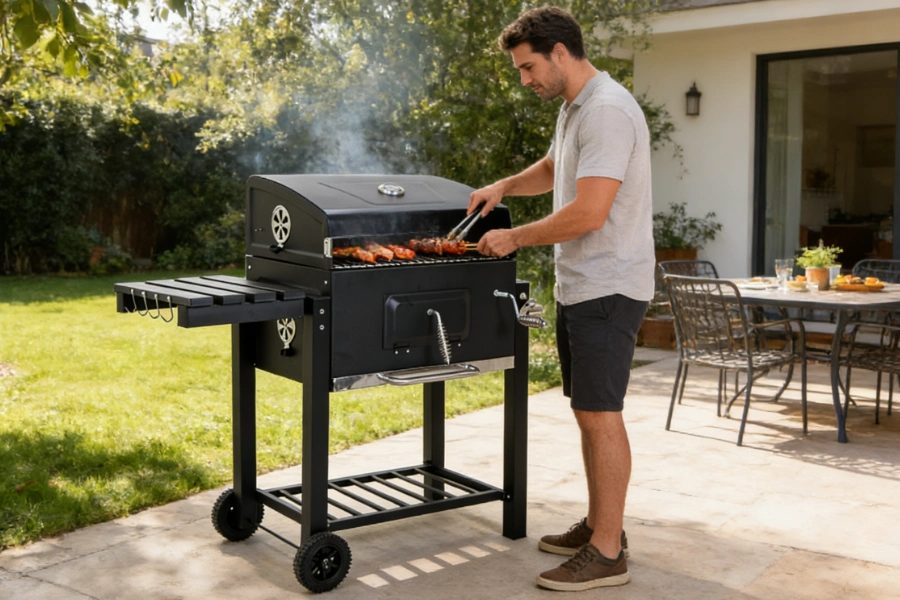
A grill that shakes or falls poses a big fire danger, mainly on patios by homes. Strong steel build gives the weight to stay firm. With a solid Charcoal Barbecue Grill, the balance point stays low, and legs hold tight, avoiding spills of hot coals. Steel parts work well here, as they resist bending from charcoal heat.
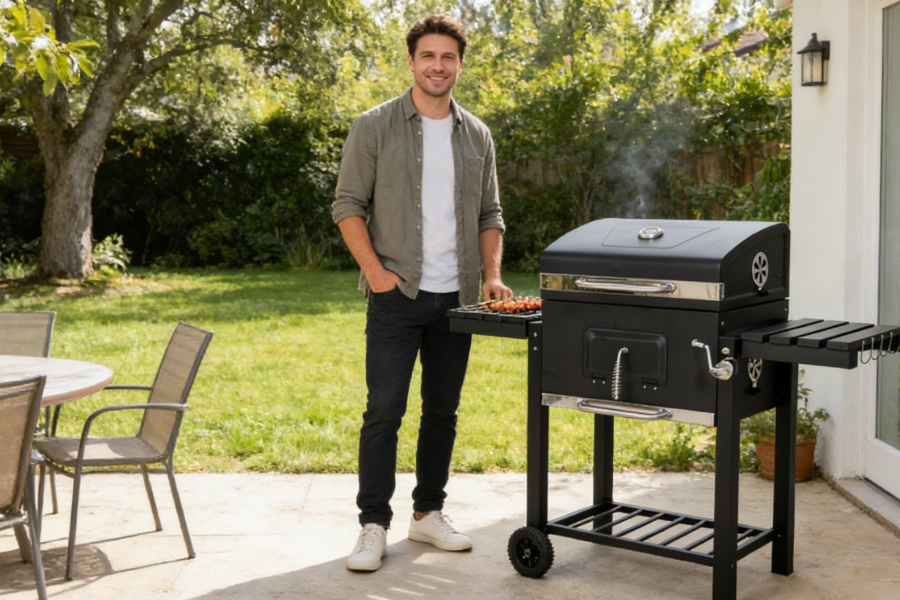
Reinforced Steel Frames
Thick steel frames supply the power to hold lots of fuel and food. This firmness means the unit does not bend or tilt when you shift heavy pans or fix the grids. It ensures steady use.
Level Ground Placement
Running gear on even, non-burnable ground like stone or concrete is vital for safe work. A flat spot lets grease run right to catch pans, not gather and spark fires. This method boosts control.
Locking Support Mechanisms
Sure lock systems on wheels and legs stop the grill from moving in action. Such steadiness counts when winds blow hard or kids and pets roam the yard. It keeps things secure.
Top 4: Implement Strict Fuel Management Protocols
Various fuels need set safety steps before and after cooking. For gas, this means checking links for leaks, while charcoal demands full coal put-out. Pro gear with dense stuff and special covers stays clean to stop grease fires from old bits near heat.
Propane Leak Checks
Putting soapy water on hoses and valves spots leaks early. If bubbles show at joins, tighten or swap the part before going on. This check avoids bigger issues.
Ember Extinguishment Procedures
Charcoal bits stay warm up to 24 hours post-cook. Shut vents and pour water on coals to block re-starts after you head indoors. This step ensures full cool-down.
Residue Buildup Prevention
Wiping drip pans and inside steel parts often stops fat piles that burn easy. A clear unit runs better and cuts the main cause of grease blazes. Regular care helps a lot.
Top 5: Invest in High-Standard Heat Resistant Materials
The stuff around your grill shapes how heat spreads in full use. Low-cost metals twist or pass heat to close spots, but pro stainless steel and powder covers form a guard. These covers stick 50% firmer than normal paint, so the shield holds and does not flake, leaving metal open to harm that might weaken the build later.
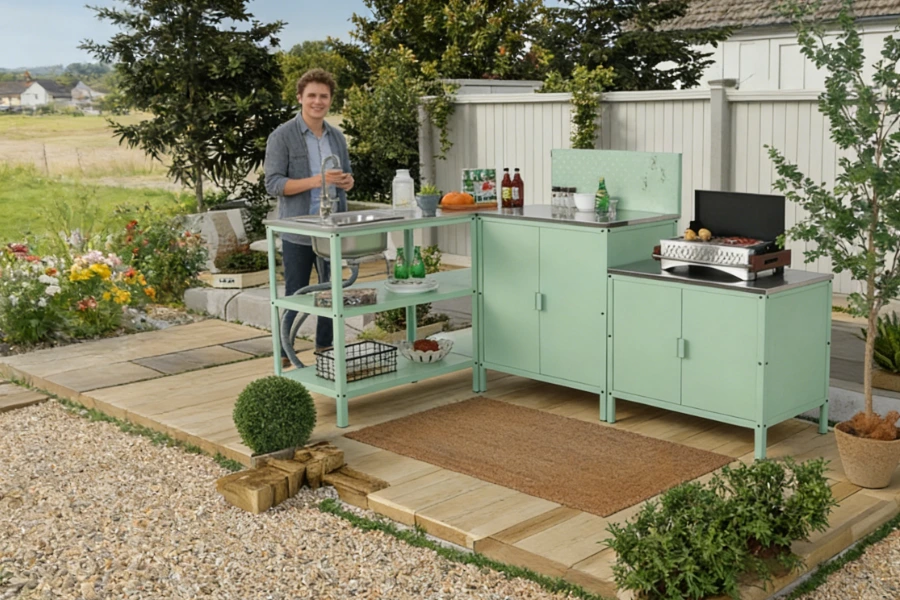
Powder Coating Insulation
Powder covers add guard against weather and high heat. This green way keeps the outside tough to marks and sun wear, while holding build strength. It lasts through seasons.
Stainless Steel Durability
Top stainless steel tops are smooth and fight rust on their own, fitting all-weather outdoor spots. This stuff keeps shape after years of heat and wet. It stands up well.
Thermal Deformation Resistance
Pro steel is made to grow and shrink even without shape loss. This fight against twist means doors, pulls, and tops seal right, keeping a safe cook space. It supports ongoing safety.
Professional Manufacturing Excellence of JoyeLeisure
Choosing gear from a maker with 20 years of know-how puts safety in the plan from start. JoyeLeisure uses its strong field base to offer good-value lively quality items that pass tough plant checks and outside tests. Their drive for trust makes them a sure choice for over 200 pro buyers in Europe and North America.
Decades of Expertise
The lead team has given over 20 years to outdoor life work, building deep skill in machine safety. This know-how shows in each link and join of their kitchen sets. It leads to reliable designs.
Stringent Compliance Testing
Items face hard pre-checks in house labs before outside groups like SGS or TÜV review them. These steps prove the gear meets world rules for weight hold and steady stand. It confirms quality.
High Volume Reliability
Making five containers of fine goods each day needs steady work that small places miss. This size means every buyer gets a piece made to the same high safety marks. It builds confidence.
FAQ
Q1: Why is steel preferred over other materials for outdoor kitchens?
A: Steel gives better build strength and fire guard, so the unit stays firm and safe under hot temps for browning and baking.
Q2: How often should I check the gas connections on my outdoor kitchen?
A: Do a leak test with soapy water each time you hook the propane tank or at season start, to check if seals hold up.
Q3: Is it safe to use a charcoal grill on a wooden deck?
A: Yes, but only with a fire-proof mat and a grill that has sure, high-lift base to block heat to the wood.
Q4: What does the EN1860 standard mean for my barbecue?
A: It is a Europe safety rule just for outdoor charcoal grills, on stuff safety, build steady, and guides to cut fire chances.
Q5: Does the powder coating help with safety?
A: Yes, the powder cover guards metal from rust and wear, which stops the frame from getting weak and falling in use.