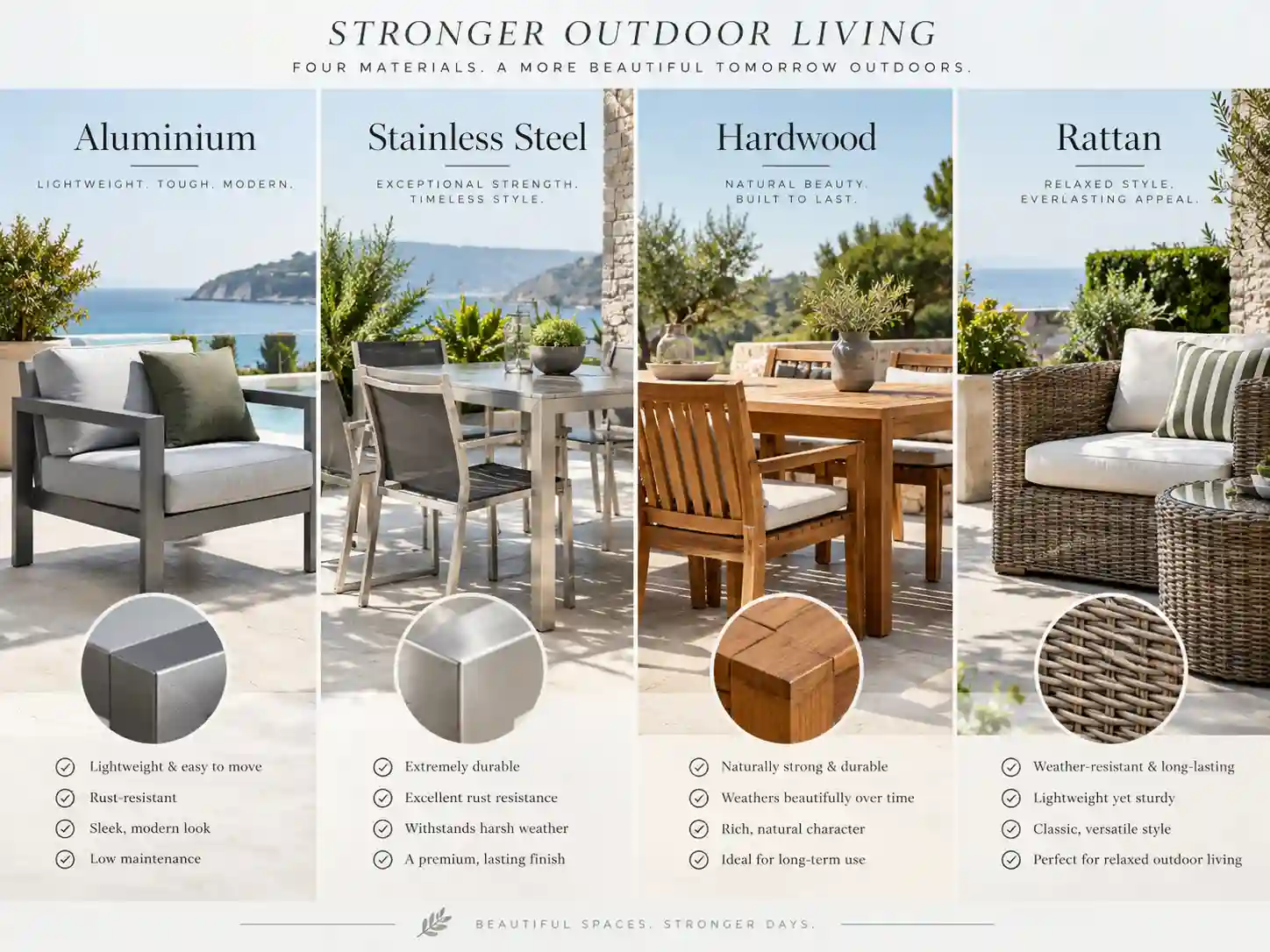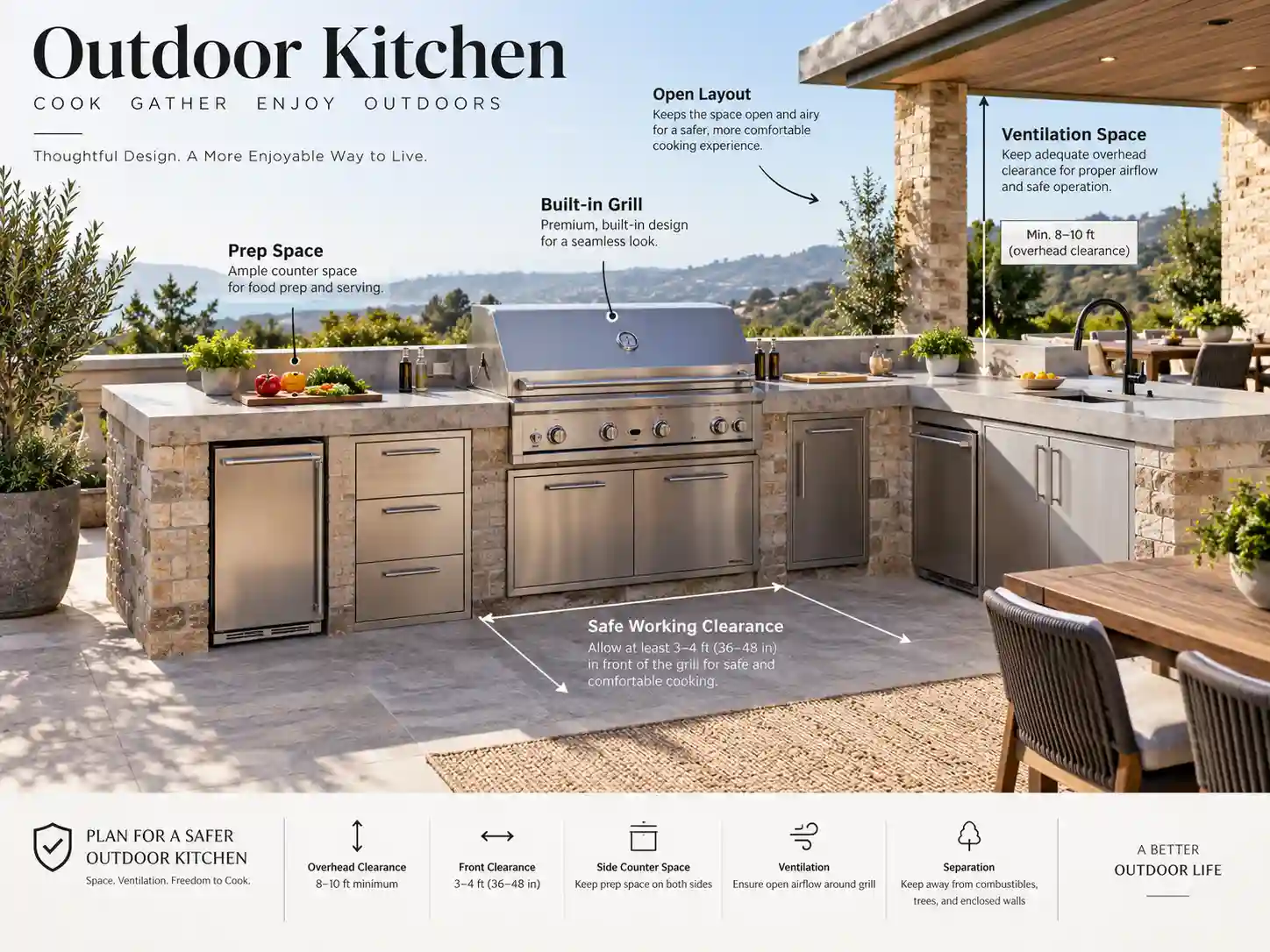

How to Verify Outdoor Furniture Factory Reliability
Global trade is pretty messy right now. You deal with supply chain volatility constantly, from sudden material shortages to unexpected port congestion. Assessing outdoor furniture factory reliability before you wire a large deposit is the only way to sleep well at night. Figuring out how to verify outdoor furniture suppliers takes more than just looking at glossy product catalogs.
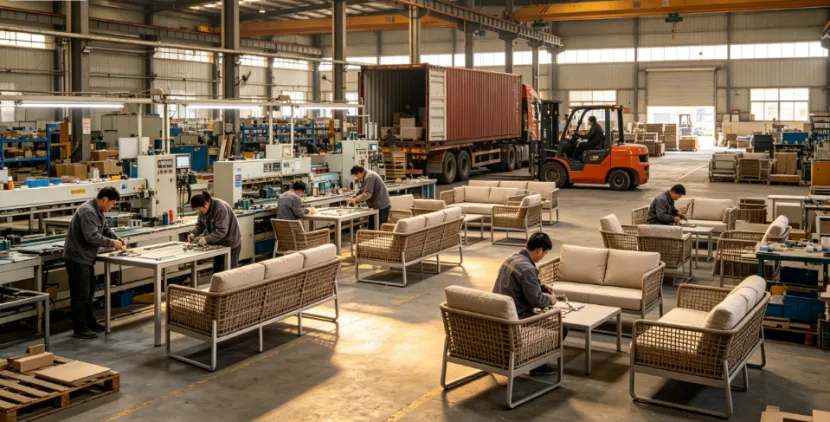
You need to look at a proven manufacturer like Joye Leisure. They focus entirely on the international outdoor living business. The key management team was engaged in this industry for more than 20 years already.. They built a massive network, servicing more than 200 professional customers like big importers and retail shops across Europe and North America.
They even passed strict factory audits to supply global supermarket giants, maintaining a turnover of more than 8 million each season on outdoor goods. What really helps buyers is their sheer volume capability. Their stable production capacity is FIVE 40 feet container everyday.
Plus, their team can design or improve the products in a wonderful K/D construction to save freight for your online sales channels. This is exactly the kind of deep background check you need to do to protect your business.
Why Is Resilience Critical in B2B Outdoor Furniture Procurement?
Falling for low FOB prices is probably the oldest mistake in B2B outdoor furniture procurement. A super cheap quote often hides terrible flaws. When a factory has zero supply chain resilience, they panic the moment something goes wrong.
If the price of aluminum spikes, a weak vendor will just quietly use thinner tubes. You will not find out until your retail customers start complaining. You know how awful it is when a container arrives right before a major holiday, you open the doors, and the cushions are totally the wrong color.
Poor material choices directly cause high return rates that destroy your seasonal profit margins. A truly resilient partner plans ahead. They prepare spare parts and get them marked well and shipped in the first container with mass production. That way, if a minor issue pops up upon arrival, you fix it instantly.
Checking a factory’s risk management strategy naturally leads you to look at their daily operational standards. It is one thing to promise good quality, but entirely another to back it up with a rigorous daily testing routine.
The Role of a Quality Management System
A solid quality management system separates a real factory from a simple assembly workshop. You need to verify their raw material standards. For example, their surface coating needs to pass over 2,000 hours of QUV aging test. That specific test proves the color difference will stay under Grade 3.
Also, check their temperature ratings. Good outdoor gear maintains stable operation in environments from minus 40°C to 80°C. They should also do 100% finished product appearance and functionality inspection right on the line.
What Should Be in Your Outdoor Furniture Factory Audit Checklist?
Putting together a detailed outdoor furniture factory audit checklist keeps your sourcing trip focused. You cannot just walk around and nod at the machines. You need to check specific documents and workflow layouts. Ask to see their standard operating procedures for critical process monitoring.
A factory claiming a stable production capacity of five containers daily will have clear, quantified rules for every worker. They will also have a clear dispute policy. For instance, if an inspection fails, they offer free rework or remake. If goods arrive damaged, they send spare parts to replace them, and if that does not work, they offer new goods without making you return the broken ones.
A clipboard checklist gets you part of the way there. But the real truth of a factory’s capability lies on the production floor. The machinery they use tells you exactly how much volume and precision they can handle.
Advanced Manufacturing and Equipment Precision
Manual labor works fine for weaving rattan, but metal frames need absolute precision. A wobbly patio dining chair can really ruin a summer vacation for a consumer. You want to see them Invest in automated and precise processing equipment (such as CNC pipe benders, laser cutting machines, and automatic welding robots).
CNC pipe benders keep the bending angles perfectly identical every single time. This means the parts align flawlessly when your end consumer tries to put the furniture together in their backyard.
How Do Certifications Prove Technical Capabilities?
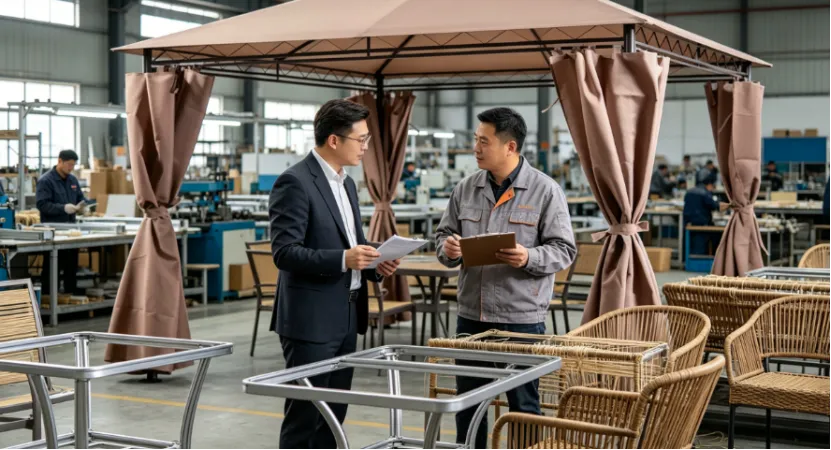
Trust is great, but test reports are much better. A factory saying their chairs are sturdy does not hold up in court if someone gets hurt. You need them to actively seek internationally recognized quality and safety certifications. They should regularly send items to independent authoritative laboratories to get formal test reports. This proves they actually care about regulatory compliance in your target market.
Every region has its own strict rules. For buyers bringing goods into Europe, paying attention to local structural benchmarks is totally non-negotiable.
Essential Standards for Global Markets
You have to confirm they meet the critical safety criteria of relevant EN 581 standards, including stability, strength (static and dynamic loads), and durability.
EN 581 standards are huge for European buyers. It demands that chairs handle heavy dynamic impacts without collapsing. If a supplier cannot show you clear documents passing these tests, walk away immediately.
FAQ
Q1: Why should buyers avoid choosing suppliers based only on cheap quotes?
A: Cheap quotes usually mean bad materials. A thin metal frame or low-grade plastic will break down fast outdoors. This leads to high return rates and angry customers leaving bad reviews on your website.
Q2: How do PE rattan products handle harsh winters?
A: Professional grade PE rattan simulates natural texture but is made of fully recycled material. It is resistant to cracking and freezing, and applies perfectly fine even in minus 30℃ conditions.
Q3: What kind of testing happens before a container is sealed?
A: A reliable supplier pulls samples from the product line or warehouse to run regular destructive tests. This includes load-bearing tests and fatigue tests to check structural safety before shipping.
Q4: How does a good factory handle custom size or branding requests?
A: Capable suppliers support logo engraving and size adjustments, usually with a minimum order quantity of 100 pieces. OEM clients even get a formula confidentiality agreement and private mold storage for 10 years.
Q5: What is the best way to handle outdoor metal frames in coastal areas?
A: You need materials that resist salt fog corrosion. Look for aluminum frames with powder electrostatic spraying. You can also offer consumers optional tube anti-rust spray specific for marine climates to maintain the furniture.