
Outdoor Kitchen Set Maintenance Nightmares & How to Avoid Them
Outdoor kitchens change backyards into lively gathering spots, but numerous owners encounter surprising upkeep issues early in the first year. JoyeLeisure offers more than twenty years of focused production knowledge in outdoor living products, emphasizing strength via material research and designs that adjust to weather patterns. Facilities in Hangzhou produce five 40-foot containers each day, all while upholding ISO 9001 quality standards and EN 581 safety rules. What sets their method apart involves forward-thinking solutions—crafting items that cut down on care needs through smart material choices and build features. Such skills result in outdoor kitchen sets built to handle everyday settings in European and Australian regions.
Grease Buildup That Never Fully Disappears
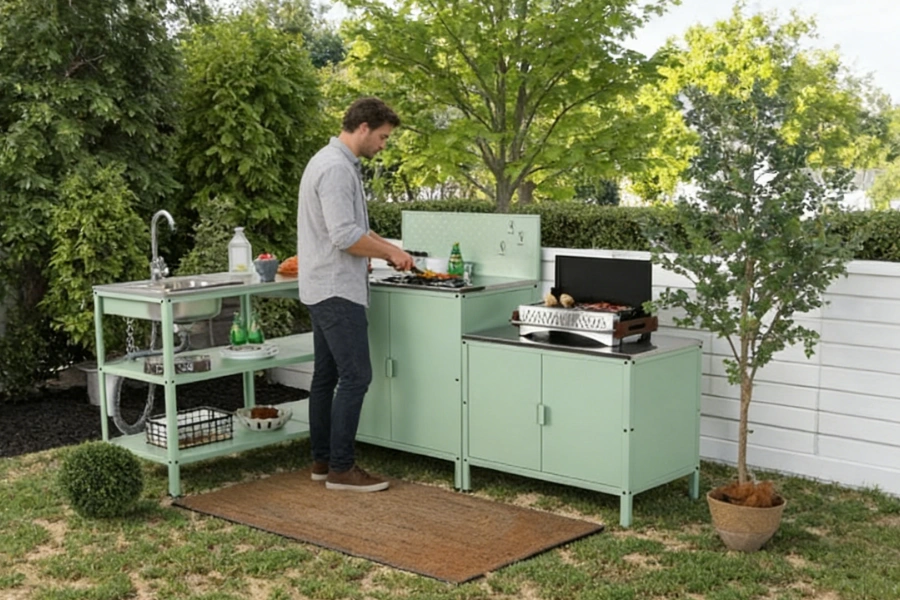
Lingering grease collection forms the top annoyance for outdoor kitchen users, particularly since absorbent materials hold oil traces that solidify in the sun’s heat. Routine meal preparation deposits tiny oil layers that turn into tough marks unless surfaces feature built-in resistance. The fix starts with picking materials that naturally repel soaking.
Non-Porous Countertop Materials
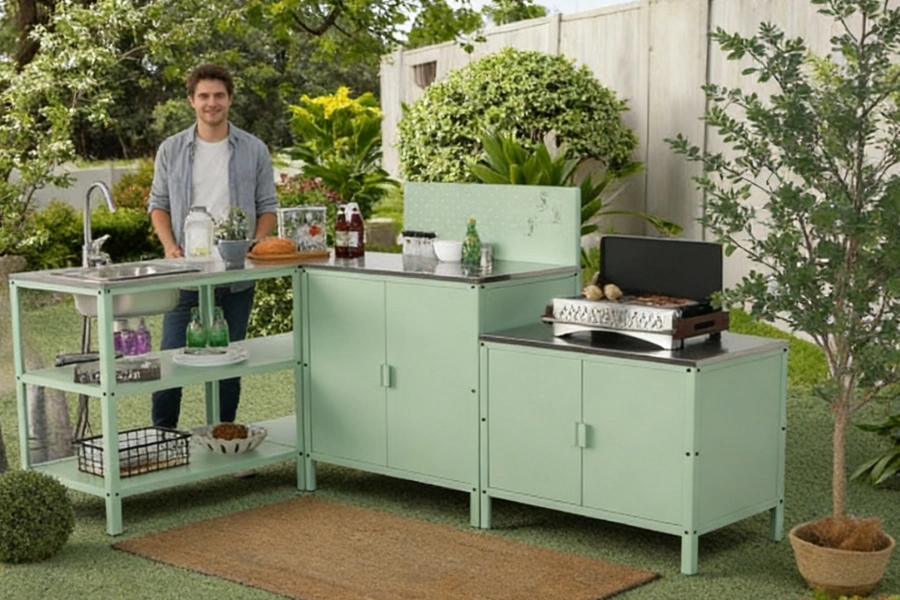
Stainless steel countertops block oil entry down to the tiniest level, and unlike rock or cement options, 201-grade stainless steel tops clean easily with basic dish soap plus water. This sealed quality removes the call for strong cleaners that wear away guard layers gradually. Basic care involves just a wet microfiber cloth following every cooking period.
Such simple routines keep surfaces spotless, since they prevent buildup without extra effort or tools.
Strategic Sink Placement
Built-in sink-bar-storage setups shorten the path for grease movement in wash-up tasks, and when the sink locates next to grill and cutting areas, users skip hauling oily tools over work spaces. This arrangement cuts down on chance spills onto storage fronts and simplifies cleanup into one smooth process.
Overall, this planning boosts daily use, because it aligns cleaning steps with natural workflow patterns.
Microfiber Cloth Protocol
Wiping each day with a moist microfiber cloth clears new oil traces before they harden from sun rays, and steering clear of rough cleaners avoids marks on coated frames. For set stains, letting soapy water sit for 30 seconds loosens the layer without hard scrubbing or tough chemicals.
This method preserves finish quality, since it handles residues gently while maintaining long-term surface health.
Rust Spots Appearing After First Rainy Season
Shoreline dampness and regular downpours speed up rust on poorly shielded metal parts, especially near joins where finishes thin out in production. Corrosion starts not from core material flaws but from small gaps in outer shields that let water seep in. Solid avoidance calls for layered guard plans that go past simple weather-resistant labels.
Marine-Grade Stainless Selection
Key wet areas need 304-grade stainless steel for basins and taps, while support frames use rust-proof metals with sprayed powder layers, and this stepped material plan matches output with cost—using top metals for steady water contact parts as frames gain safety from modern surface methods.
This balance ensures lasting protection, because it targets risks where exposure proves highest.
Powder Coating Integrity
Sprayed powder layers form a smooth shield better than wet paints that flake at pressure spots, and the method fuses color bits to metal via heat setting, yielding even spread including at fused areas. Correctly done layers hold up in ASTM B117 salt mist trials, vital for seaside setups.
Drainage Channel Engineering
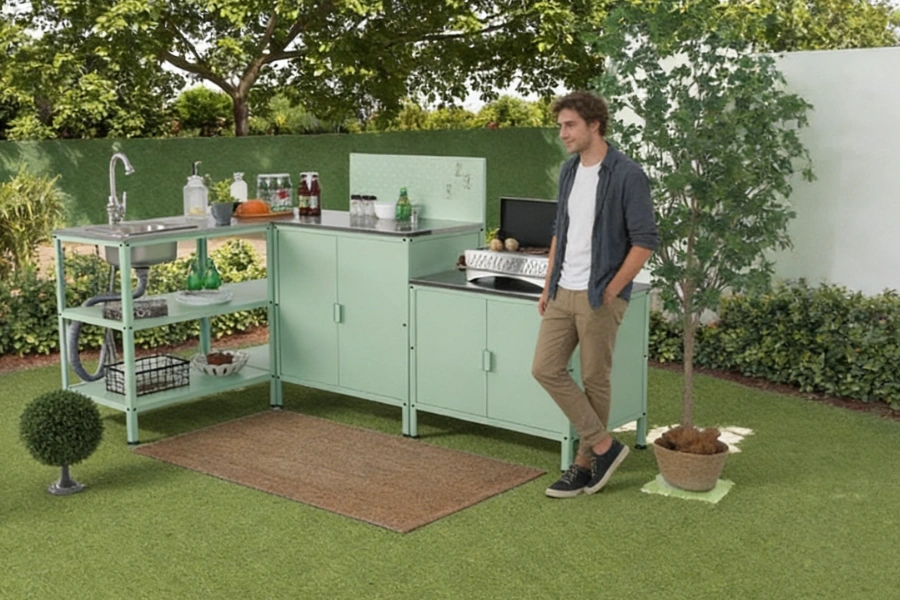
Tilted tops with concealed flow paths stop water gathering at storage edges, and pooled liquid hastens layer breakdown at weak spots. Built-in drain routes guide dampness clear of key connects, removing the main cause of rust starts in moist settings.
This feature extends life span, because it keeps moisture from lingering in critical zones.
UV Damage Fading Colors Within Months
Sunlight breaks down unguarded plastics and layers via light decay, leading to shade loss and outer brittleness, and items without proven light stability display clear wear after short contact. Lasting shade hold relies on material approvals over looks-based promises.
UV-Stable Material Certification
QUV fast weather trials confirm material toughness—items passing 2,000 hours with shade shift scores ≤ Grade 3 keep looks over several periods, and this approval rule makes sure colors and bases fight chain breaks under strong sun beams. Certified options perform consistently, since they endure repeated exposure without quick fade.
Shade Integration Planning
Smart positioning under arbors or foldable shades lowers straight light contact without cutting function, and even some cover in high-sun times greatly stretches outer durability while keeping cook ease.
Quarterly Surface Inspection
Periodic reviews spot layer fine splits near join spots before water enters, and spot-on finding permits easy use of guard sprays on at-risk parts, stopping fast wear in sunny zones.
Winter Freeze Damage to Plumbing Components
Held water swells in cold freezes, splitting basins, taps, and inner pipe ways, and most outdoor kitchens miss full drain routes for total water removal, building secret risks in chill bursts. Avoidance needs part builds that aid full drying prior to cold shifts.
Frost-Resistant Component Design
Take-off tap setups allow full water clear from feed lines and basin bottoms, and parts made for take-apart let users remove wet holds that spark freeze-melt harm. This build trait holds key in areas with temps under -5°C.
Modular designs simplify care, because they enable complete moisture elimination.
Dry Storage Protocol
Off-season prep involves three actions: cut all tubes, clean each area fully dry, and keep loose parts inside, and dampness caught in gaps or below add-ons forms dew spots that speed rust even in idle times.
Thorough drying prevents issues, since it avoids hidden water buildup.
Breathable Cover Selection
Rain-proof wraps without air flow hold dew on metal sides, and choosing wraps with damp-pull traits stops humidity rise while guarding from rain. Good air under wraps keeps dry states over store periods.
Ventilated options support health, because they allow moisture escape.
JoyeLeisure’s Maintenance-First Design Philosophy
Build choices set at start shape ongoing care loads more than user patterns, and JoyeLeisure weaves care cuts into frame picks—material levels, layer depth rules, and part flexibility—rather than viewing upkeep as a side note. This outlook grows from twenty years of studying on-site results over varied world weather.
Material Science Integration
Two decades in outdoor seating production guide exact stainless steel level picks and powder layer depth norms over 80 μm, and join seal methods block water entry at frame links, while QUV-proved layers secure shade hold over several periods of strong contact.
Spare Parts Accessibility
Swap fittings come labeled and boxed in first deliveries, allowing quick fixes without global ship waits, and this ahead plan cuts idle time for small part swaps, backed by multi-language fix help via their aid site.
Climate-Adaptive Engineering
Area tailoring handles set weather hurdles—shore kits add stronger rust guards for coast users, while chill setups gain better drain taps, and these changes come from input loops with 200+ pro clients around the globe.
FAQ
Q1: How do I remove oil stains from stainless steel countertops?
A: Wipe right away with a moist cloth and light dish soap, and for fixed traces, let soapy water rest 30 seconds prior to wiping—skip rough cleaners that mark guard layers.
Q2: Will metal frames rust in humid coastal areas?
A: Frames with sprayed powder layers fight salt mist rust under good care, and three-month checks of join spots confirm layer strength, with shore-grade stainless steel saved for steady-wet parts like basins.
Q3: What temperature range can outdoor kitchen sets withstand?
A: Solid sets made for harsh spots work steadily from -40°C to 80°C, and part picks—beyond just material kind—set cold hold, especially for pipe items needing full clear-out.