
The Truth About Ceramic Grill Grate Lifespan: Safety Signs and When to Order a Replacement
Ceramic coated grill grates stand out for their strong non-stick action and steady heat spread. Taking care of these parts remains key to steady food results and ongoing safety. If you seek leading outdoor options, JoyeLeisure acts as a top maker with more than 20 years in the outdoor living field. They focus on solid garden furniture and pro-level BBQ gear, reaching over 200 pro clients worldwide. Their drive for “Best Affordable Exciting Quality” makes sure each item, from wicker groups to modern grills, hits firm safety and strength rules like EN 581.

Determining the Real Lifespan of Your Grates
The lasting time of a ceramic coated grate hinges on the base material and how often it faces heat shifts. Most solid grates deliver steady work for a few years until the guard layer starts to wear down on its own.
Service life expectations
Regular ceramic coated heating plates or grates usually need swapping every 3 years to keep top output. This schedule counts on normal seasonal runs and right cleaning right after each time, which helps maintain the surface without added strain.
Usage frequency impact
Often grilling speeds up the damage to the ceramic link since the stuff grows and shrinks with each round. Those who grill a lot may notice the non-stick side fading near the 2-year point, which signals the need for closer checks.
Thermal shock factors
Quick shifts in the heat of the metal center put strain on the ceramic cover. Steering clear of sharp heat jumps aids in keeping the surface build whole for more time, as it avoids cracks that shorten life.
Critical Safety Signs That Demand Replacement
Spotting when your gear hits the end of its useful run proves vital for well-being. Weakened tops can add unwanted bits to your dishes and cut the clean level of your cook space overall.
Visible coating chips
Broken ceramic shows the metal below, making a bumpy cook top and letting tiny bits possibly mix into your meal. This body wear serves as the main sign that the grate no longer suits touching meat safely.
Stubborn rust spots
Rust shows that dampness has slipped past the ceramic sheet and begun to eat at the metal build. When rust starts under the cover, the link breaks for good, so the grate calls for a full swap.
Persistent food sticking
The main plus of ceramic lies in its non-stick trait. If dishes start to rip or cling even with good oil, the small holes in the ceramic likely hold full carbon or the cover has worn thin a lot.
Factors Accelerating Ceramic Coating Failure
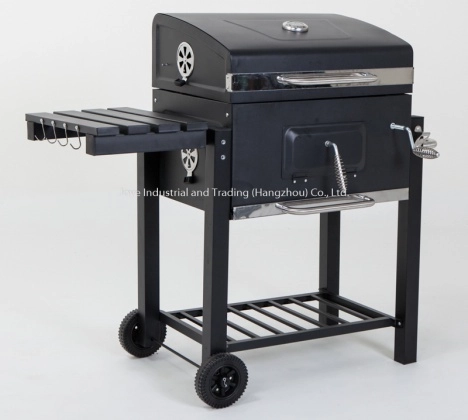
A few outside elements can cut short the run of your grates. Skipping these usual errors will let you pull the most worth from your pro Charcoal Barbecue Grill.
Abrasive cleaning tools
Metal scrapers or wire brushes make marks that open doors for dampness. These small rips in time cause the whole ceramic top to flake or split apart.
Harsh chemical exposure
Tough cleaners can break down the ceramic shine through chemistry. Mild soap and water work better to clear grease from tops, as they skip pulling off the guard sheet.
High heat stress
Heat over the set limit can make the ceramic hard and breakable. Steady control of charcoal stack and air flows stops spot overheating that wrecks covers.
Extending Life Through Professional Grade Equipment
Putting money into gear made with forward making steps boosts the strength of cook tops greatly. Better making rules lead to firmer builds and stronger top treatments.
Heavy duty construction
Pro grills often use high-power steel or rust-proof aluminum mixes to give a firm base for the ceramic cover. This stops the metal from bending and breaking the ceramic sheet.
Uniform heat distribution
Smart design makes sure heat flows steady over the grate. This cuts spot strain and keeps the cover from giving out in set “hot spots.”
Superior coating adhesion
Makers who use powder static spray and auto weld bots form a far stronger tie between metal and finish. This exact work makes a top that fights salt mist and wild weather.
Best Practices for Preserving Ceramic Surfaces
Right daily care stands as the top way to push back the call for a swap. Easy routines can hold your cook top fresh for many seasons.
Proper nylon brushing
Stick to a soft nylon brush when the grate still holds some warmth. This clears junk without risk to the fine ceramic shine.
Gradual cooling process
Let your grill cool on its own after cooking ends. Skip adding cold water to hot grates, since the heat shock that follows ranks as the top reason for quick ceramic breaks.
Seasonal oil seasoning
A thin layer of plant oil after cleaning seals the top from wet air. This matters most in moist areas where metal faces easy damp harm.
When to Transition to a New Grilling System
At times, swapping one piece costs more than moving to a fresh setup. New tech brings better fuel savings and safety traits that old ones miss.
Cost efficiency analysis
If you swap grates each year, the full bill may soon top a new solid unit’s price. Modern grills aim to be “Best Affordable” while keeping exciting quality.
Enhanced flavor profiles
Fresh models often add 3D heat tech or better smoke hold that old grills lack. This yields finer food taste with less work.
Integrated kitchen solutions
For regular hosts, shifting to an outdoor kitchen with steel sinks and holds gives a lasting strong fix. These setups use 304 stainless steel for top lasting time.
FAQ
Q1: Is it normal for the ceramic coating to change color over time?
A: Slight darkening is normal due to carbon seasoning and high heat, but if the color change is accompanied by flaking, the coating is failing.
Q2: Can I use a pressure washer to clean my ceramic grill grates?
A: It is not recommended as the high pressure can find small cracks in the ceramic and force the coating to peel away from the metal base.
Q3: What should I do if I find rust on my grill frame?
A: You should clean the area and apply a tube anti-rust spray specifically designed for outdoor or marine climates to prevent the rust from spreading.