
What Makes the Best Balcony Furniture
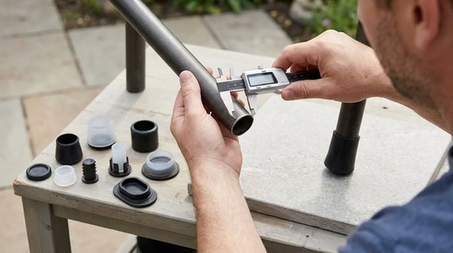
The best balcony furniture fits the space, supports the way you plan to use it, and suits the weather it will face. Measure the usable floor area first, then compare seating, table size, materials, comfort, and storage. A compact bistro set may suit meals for two, while one comfortable chair and a small side table may work better for reading or morning coffee. Choose for your routine and the balcony you have.
Start with Your Balcony’s Size and Layout
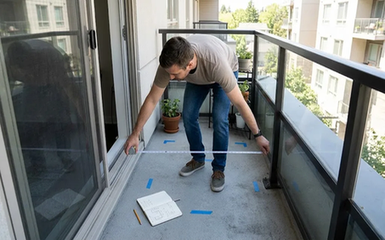
Measure the usable area before looking at sets. Include the space needed to open the door, pull out a chair, and walk past the furniture. Check the balcony’s shape too: a narrow rectangle, a corner, or a deep ledge can each call for a different layout.
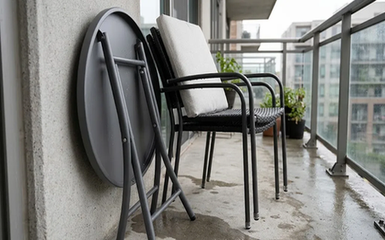
For a small balcony, folding chairs and tables can free floor space when you are not using them. A compact bench may combine seating and storage, while stackable chairs can be moved together when guests arrive. Before choosing any storage furniture, check whether its size and weight suit the balcony and building guidance.
Sketch the layout or mark the furniture footprint on the floor with tape. This makes it easier to see whether a set leaves a comfortable path through the space. The Associated Press’s small outdoor-space ideas also highlight flexible and dual-purpose furniture for compact areas.
Choose Balcony Furniture for Your Routine
Think about what you will do outside most often. For breakfast or a drink, a small table and two upright chairs may be enough. For reading or relaxing, prioritize a supportive seat and a side table. If you host friends, consider pieces that can be moved or folded away when the balcony is quiet.
Furniture designed for dining and furniture designed for lounging serve different purposes. Check seat height and table height together, and consider how long you usually sit. Product dimensions and photos can help with fit, but a showroom test or a review of the measurements against a chair you already own can clarify comfort.
Compare Balcony Furniture Materials with Your Weather in Mind
Sun, rain, humidity, salt air, and temperature changes affect outdoor materials differently. Look for the maker’s description of the frame, finish, woven material, and fabric. Ask what cleaning and seasonal care each part needs. Joye Leisure’s guides to choosing furniture for different climates and sun-resistant outdoor furniture discuss exposure and material selection. A material described as suitable for outdoor use still has product-specific limits and care requirements.
Aluminum frames are often selected for lightweight furniture that is easier to move. Coated steel can provide a heavier frame, while the coating and exposed joints need inspection. Synthetic woven materials and outdoor fabrics also vary by construction and care label. Assess the complete piece through its connectors, finish, cushion covers, frame, and care instructions.
Joye Leisure’s outdoor furniture selection guide discusses material, comfort, layout, and maintenance factors. For specific care steps, check the product manual and fabric label; IKEA’s outdoor furniture maintenance guide gives examples of how routines differ across materials.
Check Comfort, Stability, and Everyday Handling
Balcony furniture should feel comfortable for the activity you chose. Check seat depth, back support, arm height, and whether cushions stay in place. If possible, sit in the chair before buying. For online orders, compare the listed dimensions with a seat you already find comfortable. When comparing balcony furniture, use the dimensions to assess how the pieces work together.
Check that tables and chairs stand level on the balcony floor. Consider whether you can carry the pieces through the doorway and reposition them easily. Wind exposure matters too: review product guidance for outdoor placement and follow building rules for balconies. Lightweight pieces may be convenient to move, but their placement and storage deserve thought in exposed locations.
Plan for Cleaning, Cushions, and Storage
Consider the upkeep before choosing a finish or cushion. Removable covers can simplify cleaning when the care label allows them to be washed. Cushions may need to be stored during rain or when not in use, so check whether you have a dry place for them. If you want low-effort care, compare cleaning instructions across the full set, including the frame and fabric.
Joye Leisure’s garden furniture cleaning guide by material explains why care should match the specific material. Follow the instructions for the furniture you buy; cleaning methods that suit one finish may damage another.
A Checklist for Choosing Balcony Furniture
Before ordering, check these points:
Does the set fit after allowing room for the door and a clear path?
Does it support your main activity, such as dining, reading, or relaxing?
Are the dimensions and seat height suitable for your needs?
Does the product guidance cover your weather exposure and placement?
Can you manage the cleaning, cushion care, and storage it requires?
Can you move or store the pieces when the balcony needs more open space?
The best balcony furniture is the set you can use comfortably in the space available and care for over time. Start with measurements and your routine, then compare product details and care instructions. Use those details to choose balcony furniture that fits your home and habits.