
Why Everyone Likes Modular Outdoor Kitchens
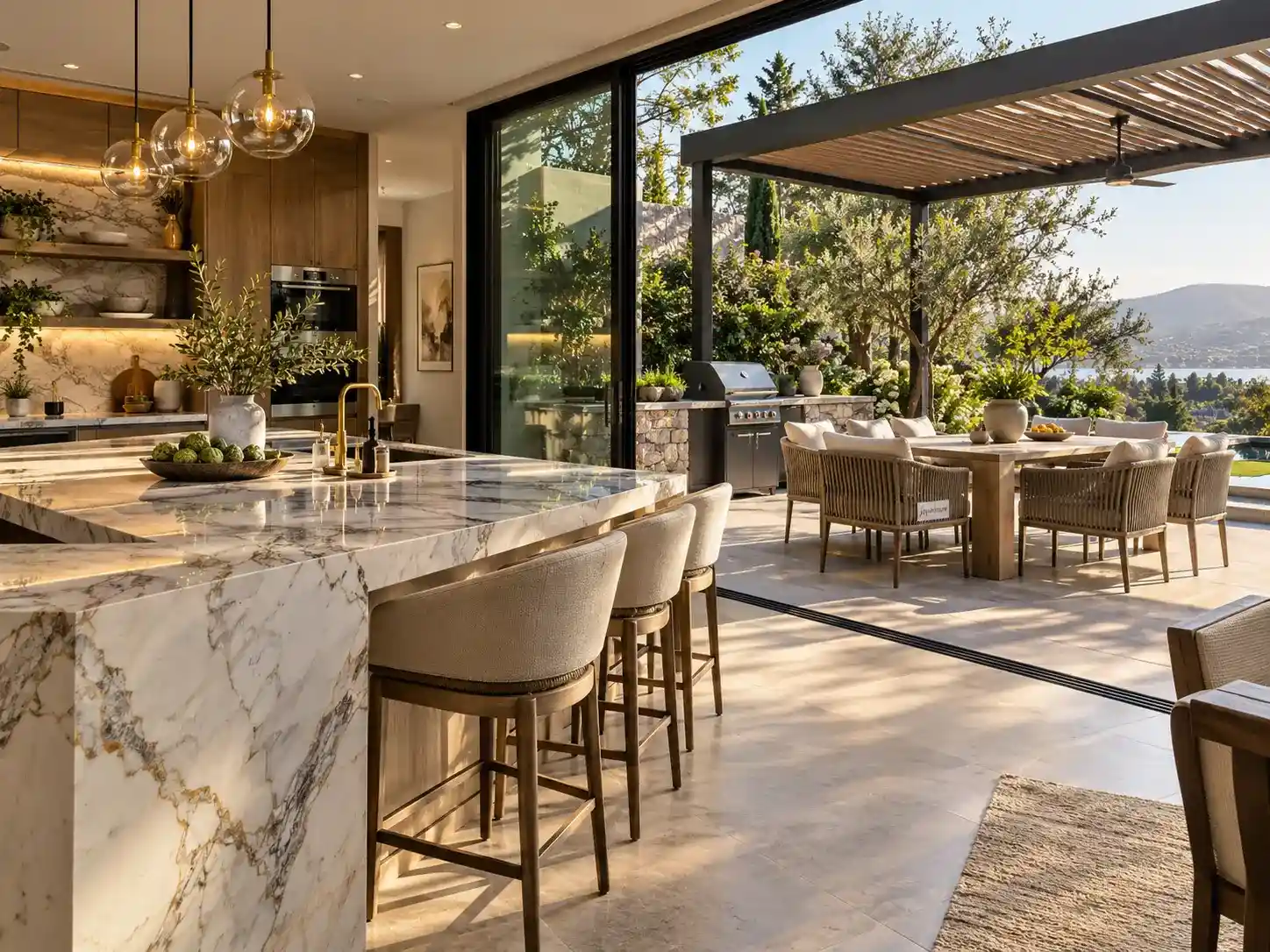
Modular outdoor kitchens appeal to homeowners because separate units make it easier to plan a cooking area around the space and equipment they have. A grill station, prep surface, cabinet, or sink module can form a straight run or fit into a corner, depending on the system. Some people start with a few essentials and add compatible pieces later. That gives buyers a way to shape the setup around their routine and patio. This flexibility is a key reason modular outdoor kitchens attract interest.
What Is a Modular Outdoor Kitchen?
A modular outdoor kitchen is made from separate components designed to work together. Depending on the range, these may include a grill cabinet, worktop, storage unit, open rack, or sink module. Each unit has its own dimensions and function, and buyers arrange selected pieces to suit the patio.
The word “modular” does not mean every component fits every setup. Manufacturers may use different heights, depths, finishes, and connection systems. Check the product range and measurements before planning a layout. Joye Leisure’s Mesola Steel Outdoor Kitchen Set lists separate steel cabinets and racks, including a sink rack for cold water. Check the model details for the exact configuration.
They Make It Easier to Fit the Space
Patios vary in shape. A straight line of units may suit a narrow area, while an L-shaped arrangement can use a corner. Separate modules let you choose a configuration from the options a particular system supports. That can help when a permanent built-in structure would take up too much room or leave little flexibility.
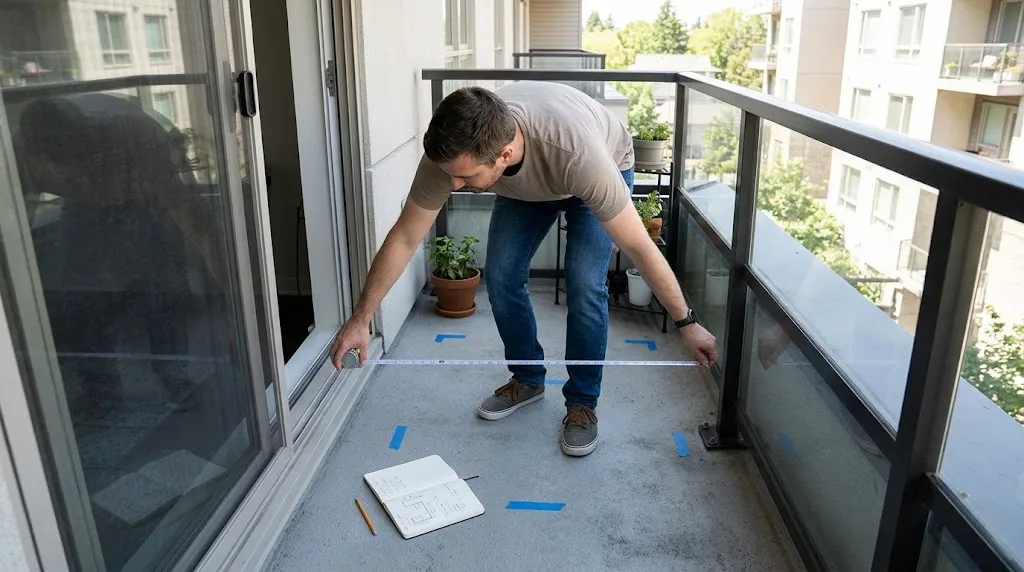
Measure the area before choosing units. Include the grill lid opening, cabinet doors, walking route, and space where you will stand to prepare food. Mark each unit’s footprint on the ground and test the route from the house to the cooking area. On a small patio, protecting clear floor space can matter as much as adding another cabinet. For small outdoor kitchens, a measured plan helps keep the cooking area useful and the path through the patio open.
For compact outdoor kitchens, Joye Leisure’s guide to small-space layouts compares arrangements such as single-wall and L-shaped setups. Use those as layout ideas, then check the dimensions and safety clearances for the appliances you select.
You Can Organize the Kitchen Around How You Cook
Separate units make it possible to place preparation, cooking, and storage where they make sense for your routine. Someone who mainly grills may prioritize the grill and a landing surface for trays. A household that prepares sides outside may want more counter space and nearby storage. A sink module can help with cleanup when the site has a suitable water connection.
Think through a typical meal before deciding what to buy. Where will ingredients sit? Where will utensils go? Where can hot food land after it comes off the grill? A useful layout gives each task room and keeps the path between the house, kitchen, and seating area clear.
Modular outdoor kitchens also help buyers separate essentials from optional equipment. Start with the pieces you expect to use often. Add a refrigerator, side burner, or extra storage only after confirming there is room, power or fuel access, and a compatible module. When comparing outdoor kitchens, a dedicated prep unit may be more useful than another appliance if counter space is limited.
They Can Grow as Your Needs Change
Some modular ranges offer compatible pieces that buyers can add later. That may suit someone who wants to begin with a grill station and storage, then extend the work surface or add another unit. Separate components can also make it easier to change the arrangement when the patio layout changes. As outdoor kitchens evolve with a household’s needs, extra modules can add capacity when the system supports them.
Expansion depends on the manufacturer’s range. A future cabinet may not match the finish or dimensions of an older unit, and a new appliance can have different installation requirements. Before buying the first pieces, ask whether additional modules will remain available and whether the system supports the layout you may want later.
They Bring Cooking and Social Space Together
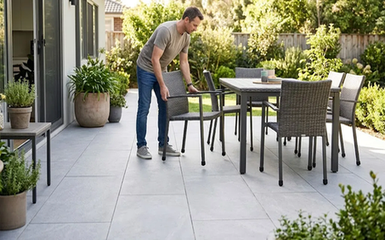
An outdoor kitchen can make it easier to prepare food near the dining or lounge area. With separate modules, the cook can position the work area so guests can talk with them while leaving enough room around the grill. Storage and prep surfaces can also keep utensils and serving items near the cooking zone. Well-planned outdoor kitchens bring the cooking area closer to the rest of the gathering.
The kitchen still needs a practical boundary between hot equipment and seating. Plan the guest route, grill clearances, and serving space before arranging chairs or a bar counter. Joye Leisure’s article on open outdoor kitchen layouts discusses arranging separate pieces within an open patio setting.
What to Check Before Choosing a System
Modular outdoor kitchens can simplify planning, while product details determine whether a set works in a specific location. Check the following before ordering:
Dimensions: Confirm each module’s width, depth, and height, including room for doors and appliance lids.
Appliance fit: Check grill cutouts, ventilation, heat clearances, and the manufacturer’s installation instructions.
Utilities: Confirm requirements for gas, electricity, drainage, and water before choosing connected appliances or a sink.
Materials and care: Review the frame, finish, worktop, and weather exposure guidance for the exact product.
Site conditions: Make sure the surface can support the equipment and that the layout preserves clear paths.
Compatibility: Verify that modules can connect or sit together as planned and that later additions will match.
A Practical Way to Plan
Start with the patio measurements and the way you cook. Choose the grill and essential prep area, then add only the storage or sink capacity that suits your routine. Sketch the modules at scale, check access and installation needs, and confirm compatibility with the supplier before ordering.
That approach explains the appeal of modular outdoor kitchens: they offer a set of choices that can be arranged around a real space and real cooking habits. The best configuration is the one that fits the site, works with the equipment, and leaves enough room to move and serve comfortably. Confirm the listed components and specifications for the model you are considering.